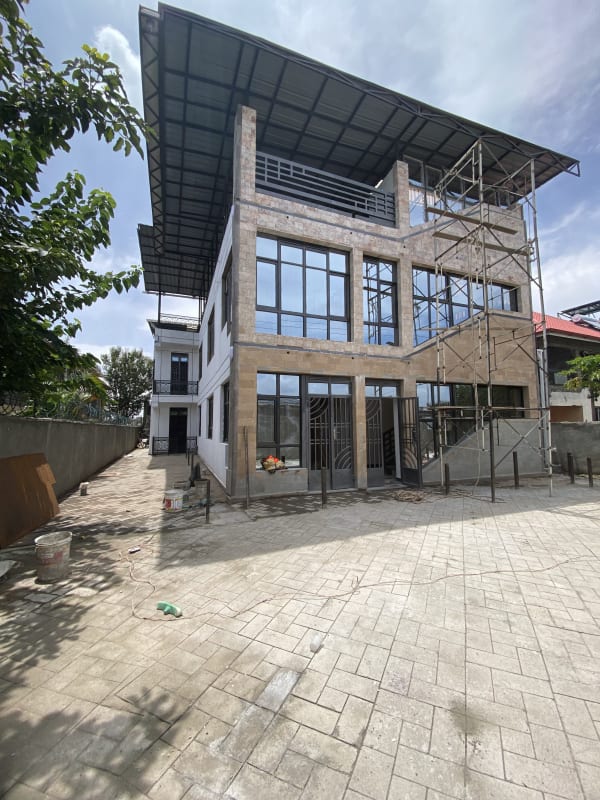
You’ve heard the ads: affordable houses, spacious plots, and a growing satellite town. But moving to Kitengela comes with a reality that few property listings reveal – the dust, the weather swings, the vibrant but chaotic markets, and the unique community that makes it home. This isn’t a sales pitch; it’s an honest, insider’s guide to 13 things you should know before packing your boxes.
1. The Dust is Real (But Manageable)
Kitengela earned the nickname “Dust City” for a reason. The area is semi‑arid, and the combination of unpaved roads (though many are now tarmacked) and dry winds can leave a fine red dust on everything. During the dry seasons (January‑March and June‑October), you’ll notice dust settling on windowsills, cars, and even indoor furniture if windows are left open. The upside? Most modern gated estates have paved internal roads and regular sweeping. A good air purifier and closing windows during windy afternoons help a lot. Pro tip: choose a property in Chuna, Acacia, or Royal Finesse – dust is minimal there.
🏠 Current Rentals in Kitengela
Homes in quieter estates for a more comfortable lifestyle – view listings.
Loading available rentals...
2. Seasonal Weather: Hot, Hotter, and Hail? Yes.
Kitengela has two main wet seasons (March‑May and November‑December). When it rains, it pours – sometimes with dramatic hailstorms that can damage vehicles left uncovered. The rest of the year is sunny and hot, with temperatures often hitting 28‑32°C. Do not underestimate the sun; you’ll need sunscreen and hats. The good news: evenings are cool, and many houses have great cross‑ventilation. Invest in blackout curtains to keep afternoon heat out.
3. The Air is Actually Fresher Than Nairobi
Despite the dust, the air quality is generally better than in the city centre because there’s less traffic congestion and more open land. On a clear morning, you can see the Ngong Hills from Kitengela. If you suffer from asthma, however, the dry dust might irritate – invest in a humidifier or an air purifier with a HEPA filter. Most gated estates have cleaner air than open areas near the highway.
4. Local Markets Are a Treasure Trove – and Chaotic
The main Kitengela open market (near the bus station) is a bustling, colourful maze of fresh produce, clothes, electronics, and second‑hand goods. You’ll find cheap vegetables, spices, and meat. But be ready for noise, crowds, and hagglers. For a calmer experience, visit the weekend farmers’ market at Acacia Estate or the fresh food section inside Kitengela Mall. Budget tip: buy staples like potatoes, onions, and tomatoes at the open market; buy meat from Naivas or Carrefour for better hygiene.
5. Community Vibes: Warm, Loud, and Friendly
Kitengela has a mix of old‑timers (who remember it as a quiet outpost) and new migrants from Nairobi. The result is a welcoming, down‑to‑earth community. Neighbours greet each other, kids play on the streets in some estates, and there’s a strong sense of belonging. However, it’s not the anonymous, polished lifestyle of Kilimani or Westlands. Expect loud music from neighbours on weekends (especially during football matches). If you value absolute quiet, choose a house deep inside Chuna or Milimani, away from the main matatu stages.
6. Traffic Jams Are Local – But Avoid the Oil Libya Junction
The worst congestion in Kitengela is not on the highway but around the Oil Libya roundabout (the main town centre) and Deliverance Road during rush hours (7‑9am and 5‑7pm). Matatus and boda bodas create chaos. If you work from home, you’ll love the quiet mid‑morning hours. Choose a home away from the main town arteries if you dislike noise. For commuting, use the bypass roads through Acacia or Milimani to avoid the town centre.
7. Reliable Water Requires Due Diligence
Not all properties have consistent water. Many rely on boreholes, and during drought some may ration. Always ask: Is there a water storage tank? What’s the borehole yield? Do you need to buy water from vendors (approx. KSh 200‑300 per 1,000 litres)? Properties in estates like Acacia, Milimani, and Chuna rarely have shortages, but cheaper units near Noonkopir may run dry in February. Before signing a lease, test the water pressure and ask neighbours about reliability.
8. Entertainment is Surprisingly Good
You won’t be bored. Kitengela has several modern cinemas (Gateway Mall, Kitengela Mall), bowling, go‑karting (near the EPZ), and a growing number of cafes and restaurants. Weekend nightlife is lively, with clubs and spots like Club Silk and Choma Zone. For families, there’s a sky‑park with trampolines and rides. And the famous “Kitengela Glass” artisan studio is a quirky day trip just outside town. For outdoor lovers, the Oloolua Nature Trail and the Athi Plains are a short drive away.
Try Before You Move – Short Stays
Spend a weekend or a week in Kitengela to experience the dust, markets, and community firsthand.
Loading short‑stay properties...
9. Mosquitoes Are Less of a Problem Than You’d Think
Unlike Nairobi’s leafy western suburbs, Kitengela’s dry climate means fewer mosquitoes. Still, use nets or repellents during the rainy seasons when stagnant water collects. You’ll be pleasantly surprised – many residents don’t even own mosquito nets.
10. The “Why Are You Leaving So Early?” Factor
If you commute to Nairobi, you’ll quickly learn that leaving home at 6am vs 7am can be the difference between a 45‑minute and a 90‑minute journey. The Expressway has improved things, but morning traffic peaks by 7:30am. Saturdays are bliss – you’ll be in the city centre in 30 minutes. Pro tip: test the commute from your prospective home during rush hour before signing a lease.
11. Bonus: The Sunsets Are Spectacular
One thing nobody tells you: the sunsets over the Athi Plains are breathtaking. With the dust particles in the air, you get fiery orange and purple skies almost every evening. Rent a house with a west‑facing balcony – you won’t regret it. It’s one of the small joys that makes living in Kitengela special.
12. Power Outages – Prepare an Inverter
While Kenya Power has improved reliability, Kitengela still experiences occasional planned outages. If you work from home, invest in a small inverter or UPS for your router and laptop. Many modern apartments have backup power for common areas, but not for individual units. A simple 1000VA inverter costs around KSh 15,000 and can keep you working for hours.
13. You’ll Save More Than You Expect
Rent in Kitengela is 40‑60% lower than Nairobi suburbs. Food is cheaper at the open market. Eating out is also more affordable – a full nyama choma meal costs KSh 500‑800 vs KSh 1,500 in Nairobi. Even transport (if you use matatus) costs less. Most families moving to Kitengela find they save KSh 20,000‑40,000 per month compared to living in Kilimani or Westlands, without sacrificing quality of life.
Final Honest Verdict
Kitengela is not for everyone. If you love manicured lawns, absolute quiet, and zero dust, stay in Karen or Kileleshwa. But if you value space, community warmth, affordable living, and don’t mind a little grit, Kitengela will reward you with a vibrant, authentic home. Come with an open mind, embrace the dust as a quirk, and you’ll quickly fall in love with the “Dust City”.
Ready to Make the Move?
Browse the rental listings above to find homes in quieter estates like Acacia, Milimani, or Chuna – the dust is much less noticeable there. And if you’re still unsure, book a short‑stay Airbnb (also above) and experience the lifestyle first‑hand.
Ready to Find Your Home in Kitengela?
We have honest listings with no hidden surprises. Contact us for a guided tour of the best estates.
Talk to Us About Kitengela Rentals →


