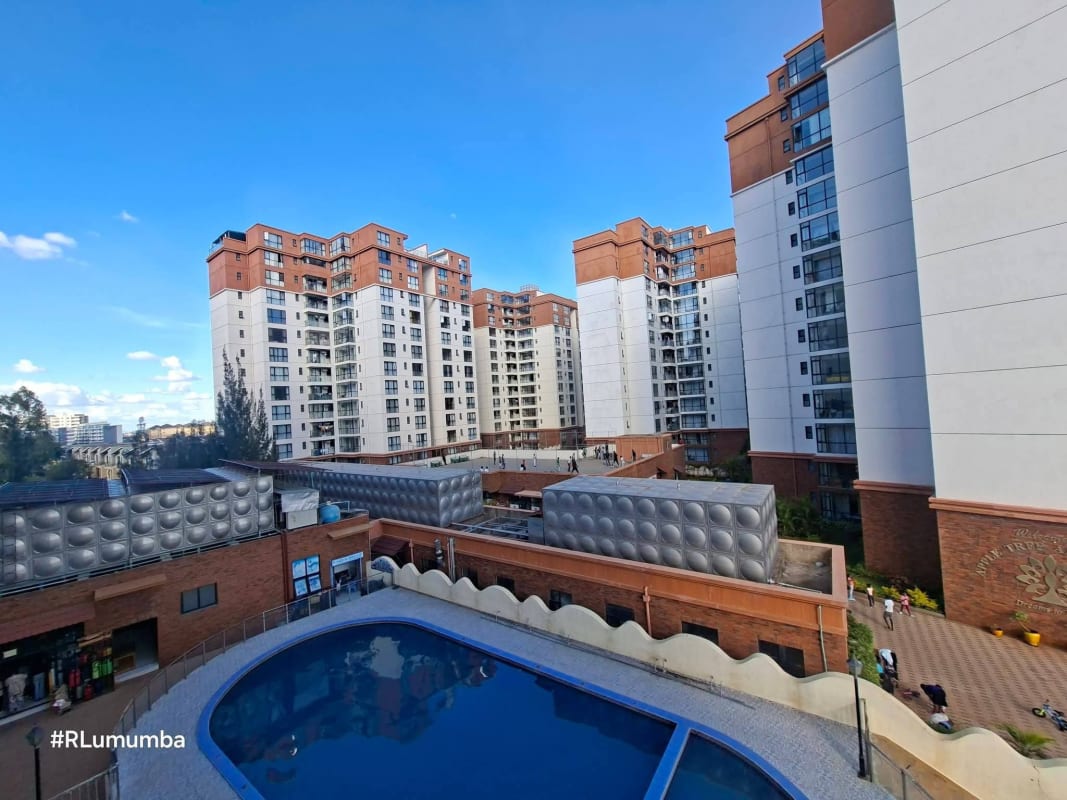
Syokimau enjoys strong Airbnb demand for most of the year thanks to JKIA, the SGR, and business travellers. But between February‑March and October‑November (excluding holidays), many hosts experience a noticeable slowdown. The good news: with the right strategies – especially dynamic pricing and flexible cancellation policies – you can keep your unit booked even during low season. This guide shares proven tactics to maintain occupancy and revenue year‑round.
Understanding Syokimau’s Seasonal Demand
- Peak Season (Dec‑Jan, June‑Aug, Easter & long weekends) – High demand from holiday travellers, families visiting Nairobi, and airport transit guests. Near full occupancy, high nightly rates (KES 4,500‑8,000).
- Shoulder Season (April‑May, Sept‑mid Nov) – Moderate demand, mostly business travellers and airline crew. Rates soften by 20‑30%.
- Low Season (Feb‑early Mar, late Nov) – Post‑holiday lull and pre‑festive dip. Fewer tourists, more price‑sensitive guests.
During low season, the average occupancy in Syokimau can drop from 75‑85% to 40‑60%. But hosts who adapt can still achieve 70%+.
1. Dynamic Pricing: Your Most Powerful Tool
Fixed pricing is a recipe for low‑season vacancies. Dynamic pricing adjusts nightly rates based on demand, competitor prices, local events, and lead time. For Syokimau hosts:
- Use smart pricing tools – Beyond Pricing, PriceLabs, or Airbnb’s own Smart Pricing. Set minimum (e.g., KES 2,200) and maximum (KES 7,000) thresholds.
- Lower rates 2‑3 weeks before check‑in – Last‑minute travellers often seek deals; reduce price by 15‑20% for empty dates within 14 days.
- Increase slightly on weekends even in low season – Friday and Saturday nights still attract local getaways from Nairobi.
- Monitor competitor pricing – Check what similar units in Greatwall, Gateway, or Katani are charging. Don’t be the most expensive unless you offer unique value.
2. Flexible Cancellation Policies & Discounts
During low season, travellers are hesitant to book far in advance. A flexible cancellation policy (e.g., free cancellation up to 24 hours before check‑in) removes that hesitation. You might have a few last‑minute cancellations, but the overall booking rate increases. Combine with:
- Weekly and monthly discounts – Offer 15‑20% off for 7+ night stays; 30‑40% off for 28+ nights. This attracts remote workers, consultants, or families between moves.
- Early bird discounts (30+ days out) – 10% off to secure bookings from planners.
- Last‑minute deals (within 3‑7 days) – 20‑30% off to fill empty calendar slots.
3. Target Alternative Guest Segments
When tourist numbers drop, shift focus:
- Corporate housing – Companies need temporary accommodation for staff on short‑term projects. Reach out to HR departments of firms near JKIA (e.g., airlines, logistics).
- Insurance displacement clients – People whose homes are under repair often need 2‑4 week stays. Partner with local insurance agents.
- Medical tourists & patients – Syokimau’s proximity to hospitals like Aga Khan Clinic makes it suitable for families accompanying patients. Offer discounted weekly rates.
- Students / interns – Short‑term courses or internships in Nairobi; promote on campus boards.
4. Enhance Your Listing for Off‑Peak Appeal
- Update photos and description – Highlight cosy indoor spaces, reliable WiFi, and workspace (attracts remote workers).
- Add amenities that reduce friction – Self check‑in (smart lock), blackout curtains, a drying rack for laundry, basic cooking supplies.
- Promote “work from Syokimau” packages – If you have fast internet, market as a “WFH retreat” with weekly discounts.
5. Adjust Minimum Stay Requirements
During high season, you might enforce 2‑3 night minimums. In low season, reduce to 1 night. This captures one‑night layover guests at JKIA or SGR travellers. You may need to hire a cleaner more often, but occupancy gains usually offset the cost.
6. Leverage Cross‑Listing & Direct Bookings
Don’t rely solely on Airbnb. List on Booking.com, Agoda, and even Facebook Marketplace. For repeat guests, build a direct booking website or use a channel manager. You can also offer a 5‑10% discount for direct bookings (no platform fees).
7. Communicate with Past Guests
Send a low‑season email or WhatsApp to previous guests with a special offer (“20% off for returning guests”). Many will happily book a weekend escape.
Example: Low Season Success in Syokimau
One host in Greatwall Estate struggled with 35% occupancy in February 2025. They implemented dynamic pricing (slashed rates from KES 5,000 to KES 2,800 on weekdays, offered 30% monthly discount), enabled flexible cancellation, and targeted corporate clients. Within three weeks, occupancy rose to 72%. Their revenue per available night (RevPAN) increased by 18% despite lower rates.
Examples of Well‑Adjusted Short‑Stay Units
These Syokimau properties maintain high occupancy using the strategies above.
 Short-stay
Studio, Greatwall – flexible cancellation
Syokimau
 Short-stay
2 Bedroom House, Gateway Gardens
Syokimau
🏠 Long‑Term Rentals in Syokimau
If short‑stay becomes too seasonal, consider converting to long‑term. Browse current rentals.


Frequently Asked Questions (FAQ)
Yes. Even a simple spreadsheet with rate adjustments based on weekday/weekend and lead time can boost revenue by 20‑30% compared to a flat rate. Automated tools save time.
Some cancellations may happen, but the increase in bookings usually outweighs them. Set a reasonable cut‑off (e.g., 24‑48 hours) to protect your calendar.
A 30‑40% discount off the standard nightly rate (or 25‑30% off the weekly rate) attracts longer stays. Test different levels – 35% often works well.
Take Action Before Next Low Season
Low season in Syokimau doesn’t have to mean low income. Start by adjusting your pricing strategy today – even a small reduction can increase bookings significantly. Combine dynamic pricing, flexible cancellations, and targeted guest segments, and you’ll maintain a healthy occupancy year‑round. For more personalised advice, reach out to RentSpace’s short‑stay team.
