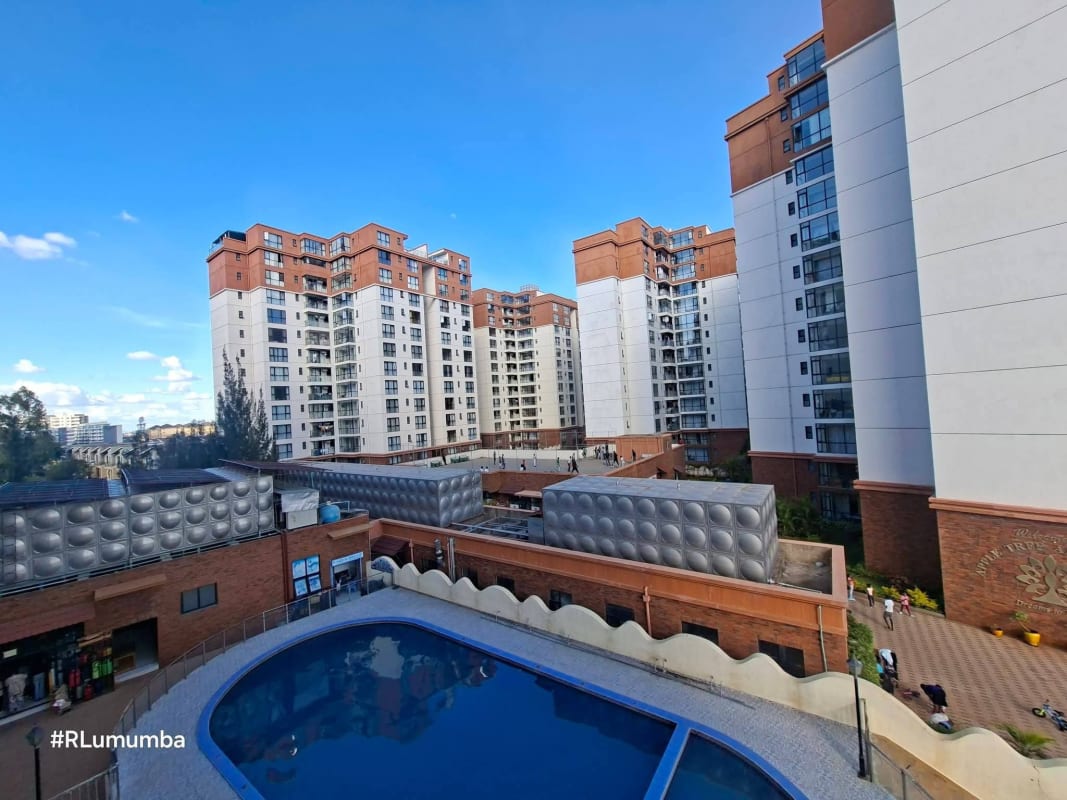
Kitengela has transformed from a quiet outpost into a bustling satellite town – but the next five years will bring even more dramatic change. As the Nairobi Metropolitan Area expands southwards, major infrastructure projects are set to reshape Kitengela’s real estate landscape. This guide forecasts the key developments through 2030 and explains why investors, homeowners, and renters should take notice.
Why Kitengela is the Next Frontier
Nairobi’s urban sprawl has already swallowed up Ruiru, Kiambu, and parts of Ngong. Now the focus is south – along Mombasa Road. Kitengela’s strategic position, relatively affordable land, and growing population make it the prime beneficiary of the Nairobi Metropolitan Area Development Plan (NMADP). By 2030, experts predict Kitengela will function as a semi‑autonomous urban centre, similar to what Thika is today.
Key Infrastructure Projects Driving Growth (2026‑2030)
Land Price Projections to 2030
Based on historical trends and upcoming infrastructure, here are estimated 2030 land values for a 1/8‑acre plot in key Kitengela areas:
- Acacia Estate – 2.0M (2026) → 3.5‑4.0M (2030) ≈ 15‑18% annual appreciation.
- Milimani Estate – 1.8M → 3.2‑3.8M ≈ 12‑15% annual.
- Chuna / Royal Finesse – 2.5M → 4.5‑5.5M ≈ 12‑17% annual.
- New Valley / Pipeline – 1.2M → 2.5‑3.0M ≈ 16‑20% annual (higher risk, higher reward).
Investors buying now (2026) could see land values nearly double by 2030, driven by the Business Park and road upgrades.
Rental Market Forecast (2026‑2030)
As job opportunities increase, demand for both long‑term and short‑term rental will surge.
- 2‑bedroom apartments – Current rent 25‑30k KES → 2030: 35‑45k KES.
- 3‑bedroom bungalows – 35‑45k → 55‑70k KES.
- Short‑stay (Airbnb) – Nightly rates will rise from 3‑5k to 6‑8k as business travellers and tourists use the new Business Park.
What This Means for Homeowners & Investors
- Buy land now – Before prices react to infrastructure announcements. Even six months can make a difference.
- Focus on areas near planned interchanges – Eg. near the proposed Kitengela Business Park (along Namanga Road) and the future railway station.
- Build rental units targeting the incoming workforce – Studios and 1‑bedroom units near the Business Park will be in high demand.
- Consider mixed‑use development – Land along main roads may be rezoned for commercial use; a shop or office space adds income.
Potential Challenges
- Infrastructure delays – Some projects may slip beyond 2030; diversify risk.
- Gentrification – Lower‑income renters may be priced out of central Kitengela.
- Water supply – Until the new sewerage scheme is complete, water scarcity may remain an issue in dry areas.
Why 2026 is the Perfect Time to Get In
Most infrastructure projects are still in planning or early construction phases. Land prices have risen but not yet priced in the full value of the Nairobi Expressway extension and the Business Park. Investors who buy between 2026 and 2027 will capture the highest appreciation. Even if you’re not a buyer, renters should consider locking in long‑term leases before rents escalate.
🏠 Current Rentals in High‑Growth Kitengela Estates
Secure a home now before prices rise – browse available units.


Short‑Stay Options – Future Hotspots
Properties near the proposed Business Park and new road interchanges will become prime Airbnb locations.
 Short-stay
Studio, near future Business Park
Kitengela
 Short-stay
2 Bedroom Bungalow, accessible area
Kitengela
Frequently Asked Questions (FAQ)
The first phase is expected to open in 2028, with full completion by 2030. It will be located along Namanga Road, near the new expressway interchange.
Properties within 1‑2 km of the proposed Kitengela station could see a 30‑50% premium within two years of the rail launch, similar to what happened in Syokimau.
Yes, if you avoid unverified land titles and focus on established estates like Acacia or Milimani. The upcoming infrastructure makes it a much safer bet than many other satellite towns.
Final Outlook: Kitengela 2030 – A Thriving Urban Hub
By 2030, Kitengela will have evolved into a self‑contained city with world‑class transport links, a growing economy, and modern housing. The window for affordable investment is closing – those who act now will benefit from the most significant infrastructure‑led appreciation in the greater Nairobi region. Whether you plan to build, buy, or rent, align your real estate decisions with the projects outlined above.
